Sights, sounds, smells, sensations… Immersion is a crucial aspect of tabletop gaming. Nothing keeps players focused on sessions quite like environmental storytelling and the subtle details of your setting. However, GMs can struggle to depict fantasy worlds; those with limited technological advancement. This article will explore some of the nuances of medieval life that can bring an authenticity to your tabletop audio. Let’s turn back the clock, and experience the things you would have heard.
Why Authentic Immersion Matters
Why does authentic immersion matter? First, authenticity can really make players feel like they’ve stepped back in time. In particular, audio and sound design can greatly realize immersion in your fantasy settings. A detailed world is one that players are more likely to engage with. Specific facets of historical life—the limited technology and the everyday experiences—gives players more chances to interact and have fun.
Second, there’s a great power within own history. Much of the modern fantasy genre draws from our own history, especially the Middle Ages and the Renaissance. For example, the knights of those eras influenced the development of countless equivalents in tabletop gaming. In addition, the broader body of fantasy literature—like George R.R. Martin’s A Song Of Ice and Fire—finds inspiration in historical events. Much of the genre gleans from European history, but modern collections have demonstrated the richness of of other epochs from India, Japan, and numerous other cultures. Simply put: history is cool.
Third: you might learn a thing or two. Researching and imparting a realistic flair to your tabletop sessions can enhance your writing skills, and amaze your players. This can be especially pertinent for younger players. Is there really more that needs to be said about the boons of knowledge?
Authenticity: Where To Start
With authenticity in mind, how can aspiring GMs start to enhance their own audio skills? How can we look back in time, and replicate what life might have sounded like? It can be difficult to imagine how people might have lived so long ago. Toilets, electronics, central heating, internet blogs… many innovations we take for granted today were absent centuries ago. How can we possibly relate to people who lived so differently?
In truth, we’re more like the people of the past than we think. Throughout history, complicated economies developed in order to enrich the lives of individuals and communities. People drew art and shared awesome myths by the fire. They ate what they could; they loved and lost. Sometimes, they even managed to agree on something.
These complexities apply today; it’s the common human experience we all share. All of this is to say that immersive details can be found ANYWHERE. This article, however, will focus on the village: THE common nexus of many fantasy campaigns.
The Village (And The Smiths That Sustained It)
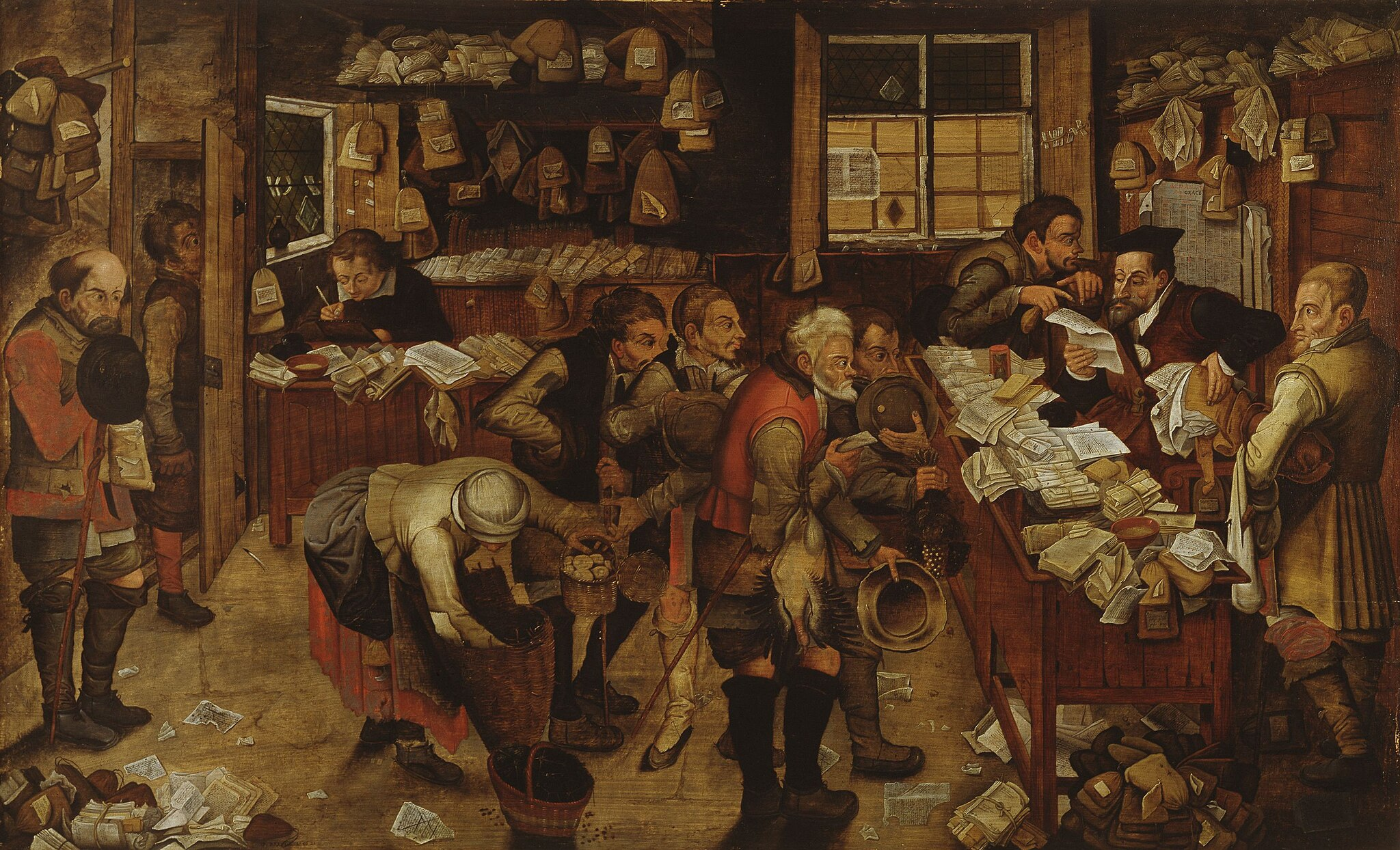
We begin at the village; the epicenter of medieval life. Although these settlements varied in size and style, most people lived in rural settings. Populous cities and larger towns existed, but the common life was the rural one. While it was not always a life of material abundance, it was still a place where people abided by a plethora of crafts to get by from day to day.
Prominent among these artisans is the smith; the metalworker. These are common fixtures in many fantasy genres as a resource to deal in weapons and tools. Many specialized in particular metals; the goldsmith might have worked rings and jeweled pieces with a light tink tink of the careful hammer. Contrast that to the blacksmith, whose workshop rang with the CLANK-CLANK of tougher stuff, like iron and steel. These smaller differences can make your world more authentic, but more crucially may also play a part as subtle storytelling.
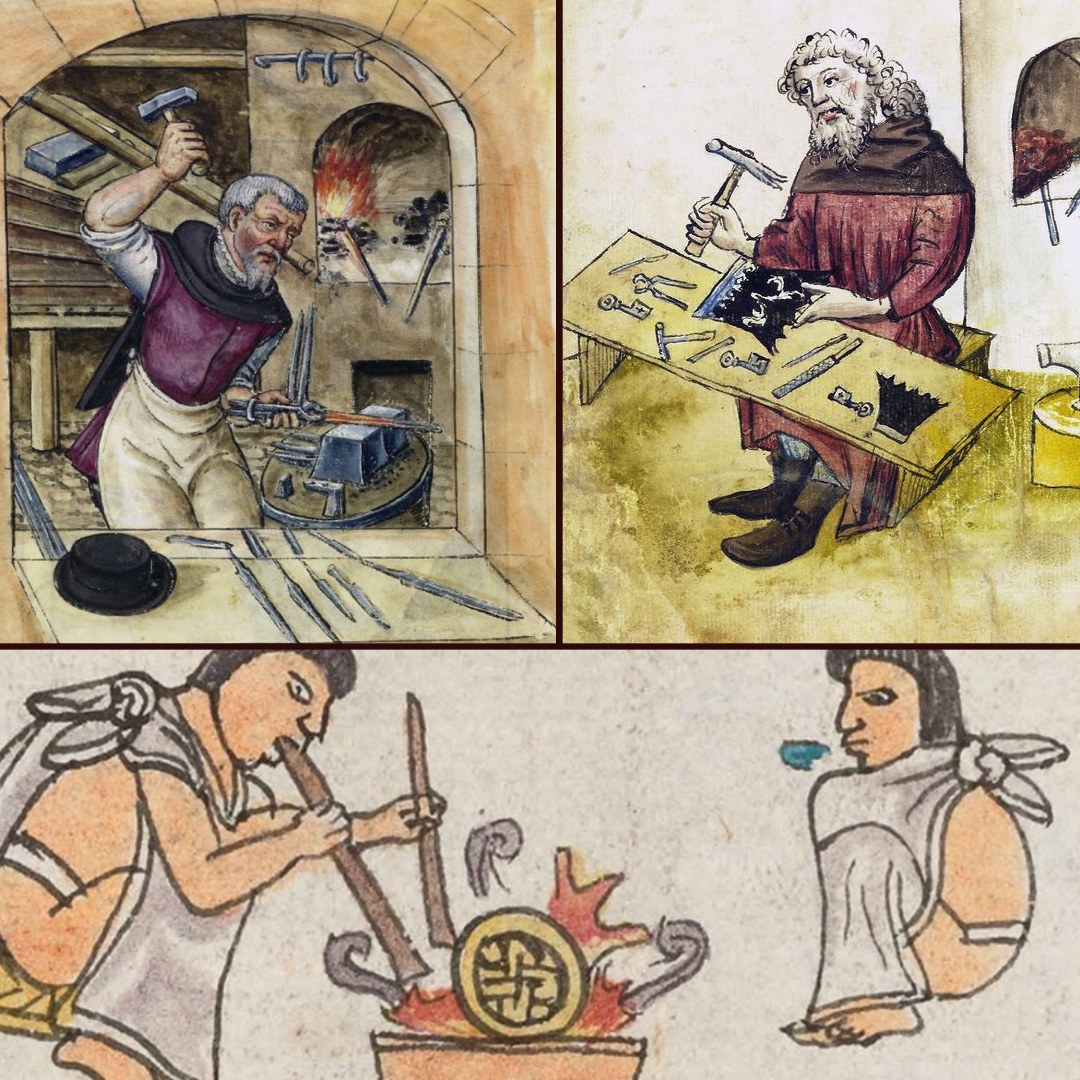
But it gets more specific than that! Blacksmiths specialized by their output, even if they all worked on iron. Consider the farrier, who excelled at making and fitting horseshoes. At their workshops (often closer to stables), one might hear either a horse or a smith grunting in displeasure.
On the contrary, the determined locksmiths might labor away for hours, tinkering and filing away at delicate locking mechanisms (and the keys that unlock them). In contrast, the bladesmiths took commissions from rulers to construct blades of precise metallurgical composition. The blades they quenched hissed loudly… and expensively. This list of smiths isn’t exhaustive; so particularize your village artisans if you want to catch your players’ eyes.
People, People, People
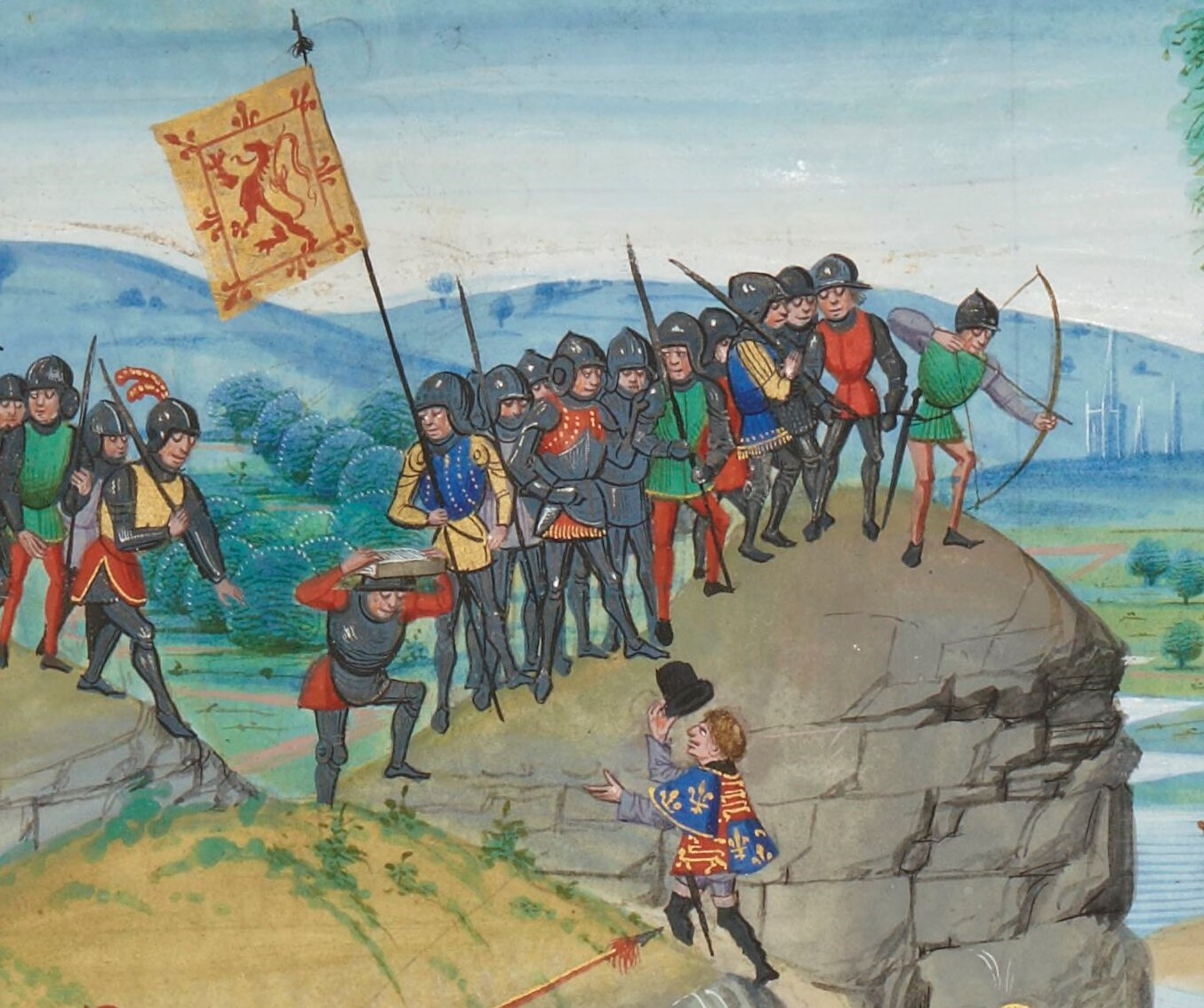
Smiths are among the more ubiquitous of village folk, but far from the only ones. Indeed, townspeople could be heard at virtually all times, and across many different contexts. Loudest of all were the heralds and criers. Heralds worked as messengers for rulers; they became mainstays of tournaments; and they loudly proclaimed current events in town squares. Leaning into heralds offers a chance to hue your world with politics, news, and other components of lore.
While heralds often served as fearmongers, yet other mongers (salespeople) lived off the merits of their voices, hawking their products to the general public as their wheelbarrows squeaked along. Applemongers—or costermongers—sold apples and other fruits. Haymongers sold hay, and cheesemongers sold cheese. In truth, there were specific merchants of nearly every variety.
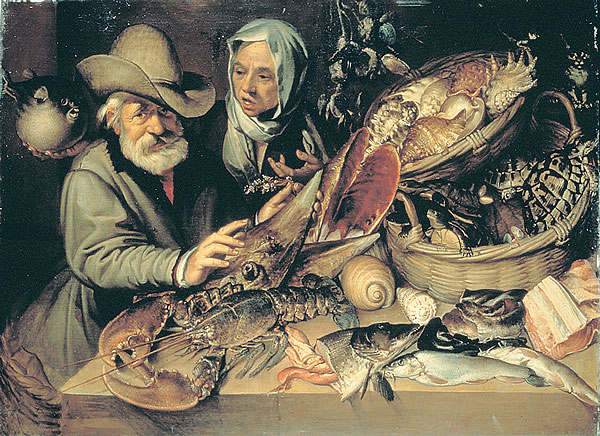
Want to bet your skin on it? Enter the fellmonger. An underappreciated and ancient profession, these merchants sold hides and leathers, and were influential enough that they formed guilds and apprenticeships to advance their business. Sometimes, these merchants ingrained themselves into culture such as the subjects of songs. For example, the fishmonger lives on in the song Molly Malone.
Animated Animals
“Life” in the medieval village didn’t just comprise people. On the contrary, animals played fascinating roles in our lives as pets and sustenance.
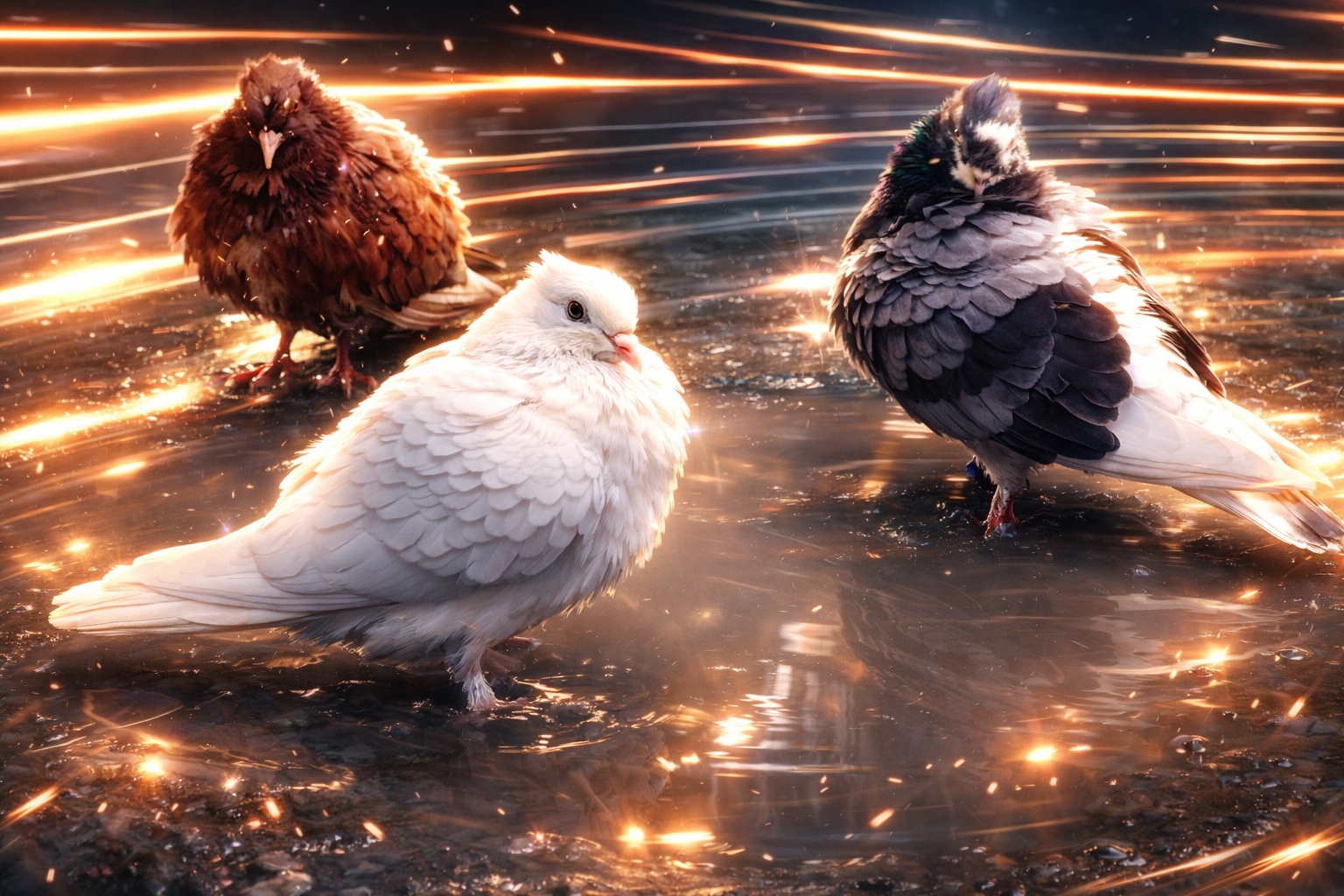
One overlooked presence in historical settings is the pigeon, or dove—we’ll use them interchangeably, given that common pigeons are actually a breed of domesticated dove. While we might only consider them urban nuisances today, pigeons have provided myriad benefits to humans over thousands of years. They were kept as pets and messengers; their meat was a vital foodstuff; they were released as symbols of peace… They even had their own special homes, called dovecotes, which emanated with fluttering and cooing. Believe it or not, but we owe much to the humble pigeon.
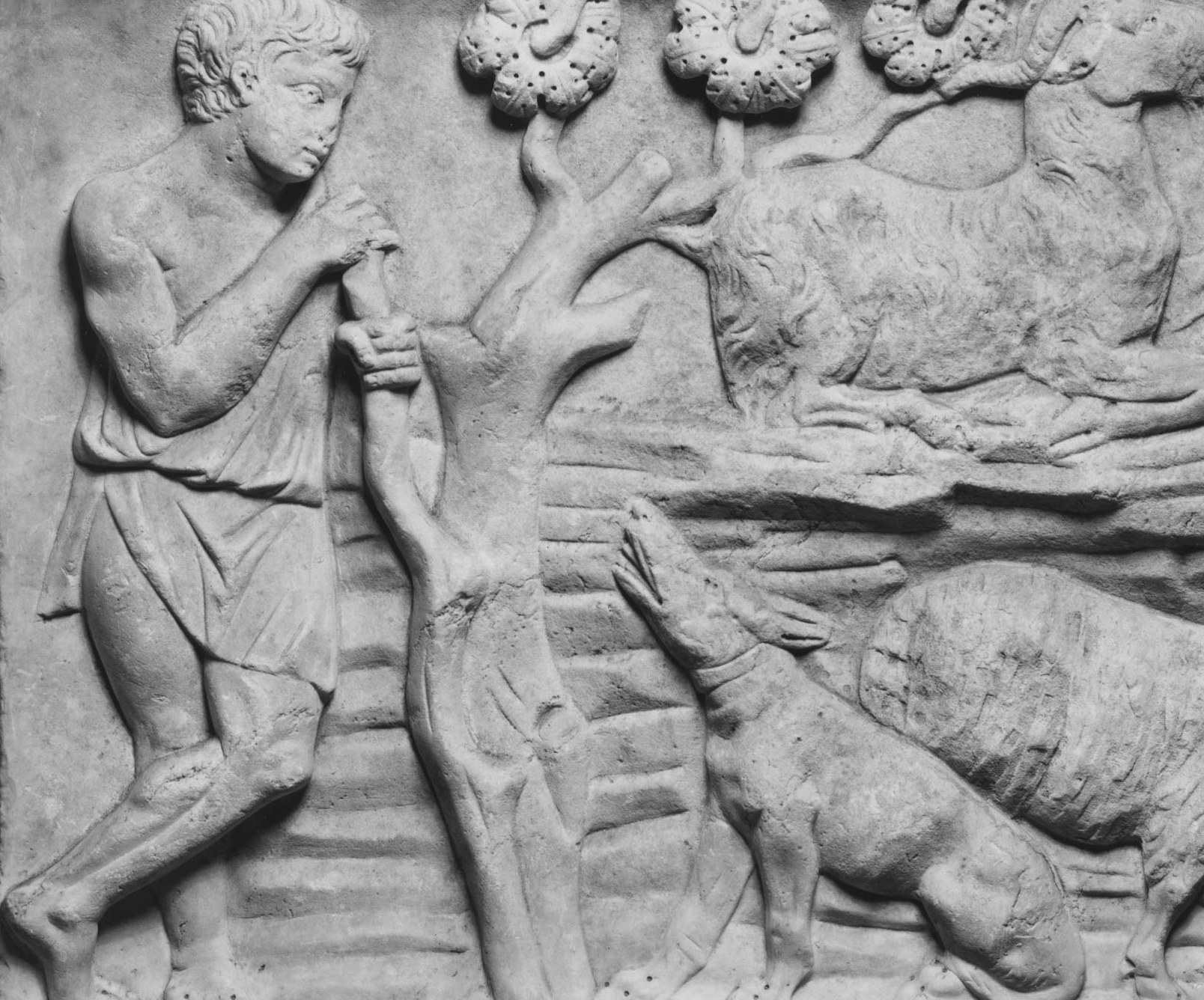
Of special place among our critter friends are the canines. Just like they do today, the dog of centuries past came in all shapes and sizes. Dogs served important roles as hunters, herders, guardians, and friends. As such, highlighting particular dog breeds can add different flairs to your towns. Are the barking collies herding the errant sheep back into town? Are the bloodhounds sniffing wildly at a nearby scent? In addition to adding to realism, these canine components can doubly serve as cute, interactive sound elements in towns. Bow-wow.
Looking for a seasonal flair? Consider the plethora of bugs you would have heard in the summer: chirping crickets; clattering cicadas; humming bumblebees; and more. And those are just the bugs!
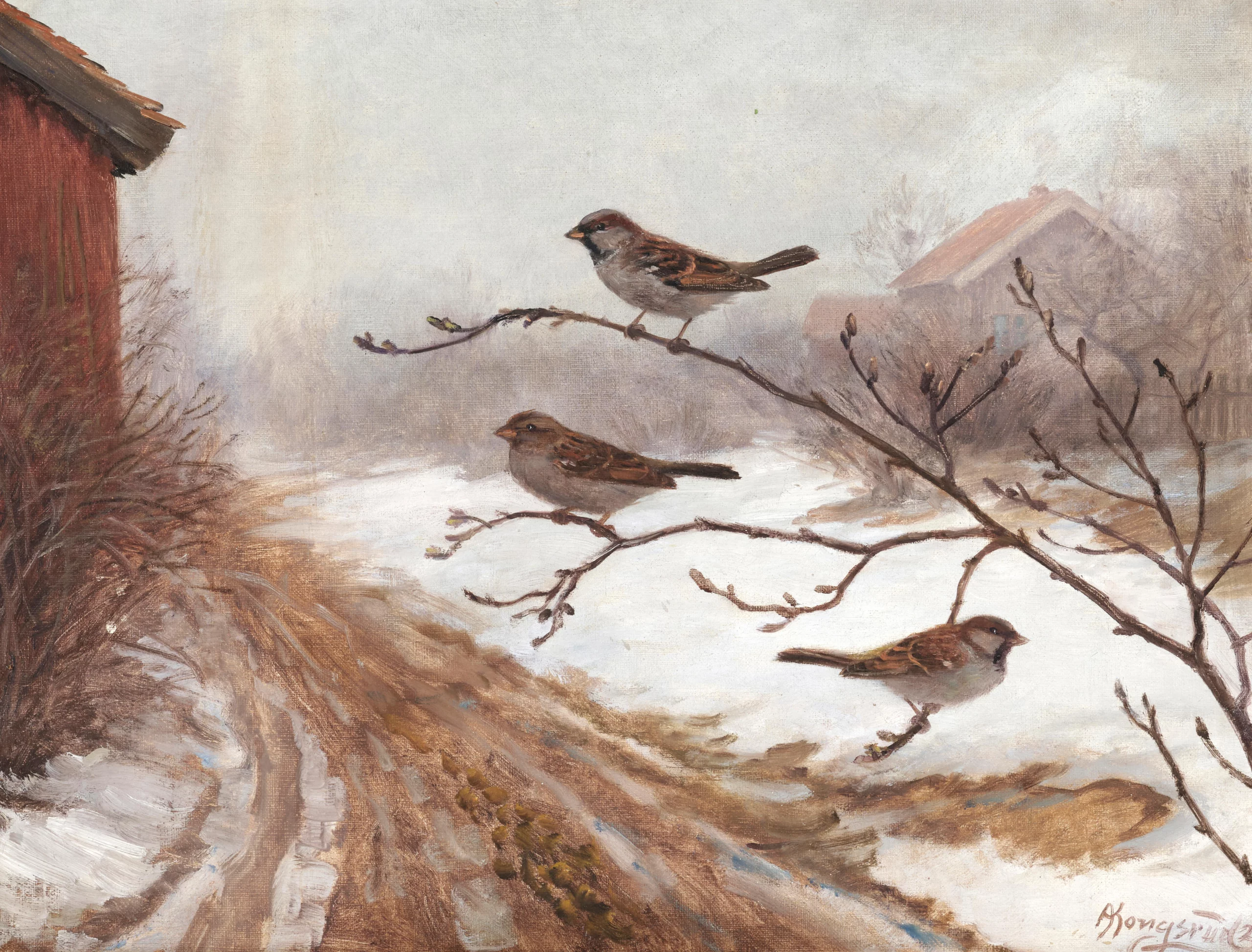
Even though winter is known for its stillness, plenty of birds stay put and chirp through the frost—mostly to indicate their territory. Even in the coldest early months of the year, you might still expect to hear the whistles and warbles of mockingbirds; the tweets and trills of wrens; or the calming, distant clicks of robins. No matter the hour or the time of year, there’s plenty out there for the ear.
Sounds: Delightful!
If nothing else, this article has given you some inspiration to seek out specific, authentic details in your own campaigns. Or, perhaps it has given you a few concrete examples of people and animals to populate your sonic landscapes. In either case, those with eyes (and ears!) for authenticity should use Opus, the all-purpose tabletop platform filled with a vastness of ambience, music, sound effects, and descriptions.
It really has been a joy to explore what oddly hyper-specific noises can find a special place in my own campaigns. “Trash Compactor Trap: Male Crushed” may be my personal (squishy) favorite. Plenty of the sensations listed in this article are available as sounds on Opus, where they can be stored in readily-available playlists; or, layered mid-session alongside other sounds and music. At the time of writing, I have been looping “Trash Compactor Trap: Male Crushed” for about twenty minutes, and goodness; that’s some quality mush.
I’m still finding ways to amaze my players with Opus—it’s a wellspring of authentic fantasy details. We’ve also written about other options that can help make your sessions resonate with audio goodness. I would say that the sky is the limit, but Opus has options for space adventures, too, so that goes out the window. So instead, I say: be authentic in all that you do—but ESPECIALLY audio.